
Food Safety & Hygiene
Safe Food, Healthy People.
Stronger Business.
Practical guides, best practices, and expert advice to help you maintain the highest standards of food safety and hygiene in your kitchen.
Prevent Foodborne Illness
Comply With Standards
Protect Your Reputation
Build Customer Trust
Food safety is not just a rule, it's a responsibility.
We make it simple to do it right, every time.
100+
Guides & Resources
250+
Trained Staff
Global
Client Base
0
Compromises
Food Safety Essentials
Prevent Foodborne Illness
Follow proven practices to reduce risks and protect your customers.
Follow Regulations
Stay compliant with local and international food safety standards.
Protect Your Reputation
Maintain high standards and earn your customers' trust.
Improve Operations
Reduce waste, errors, and costs with safe & efficient practices.
Key Hygiene Practices
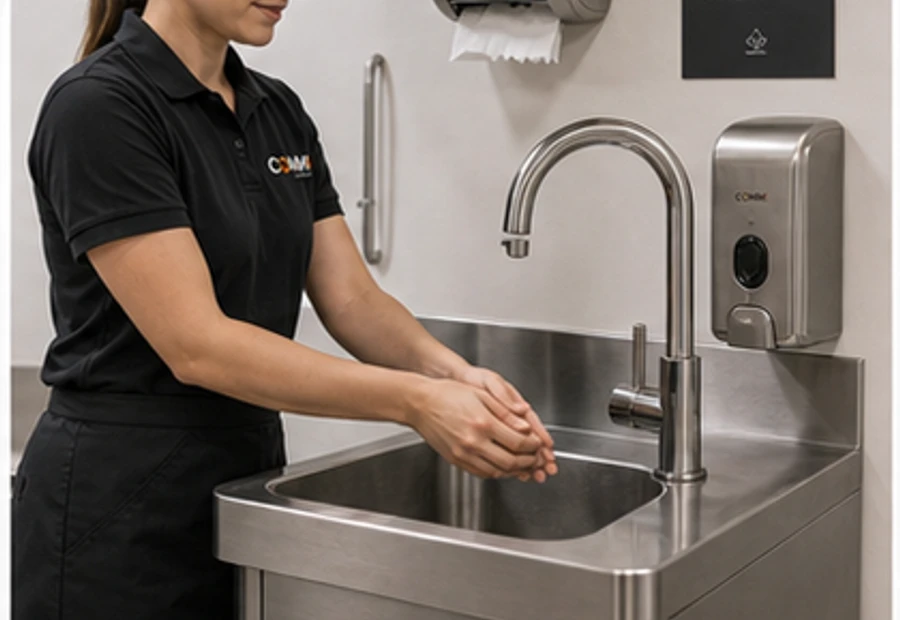
Personal Hygiene
Wash hands properly, wear clean uniforms, and avoid contamination.
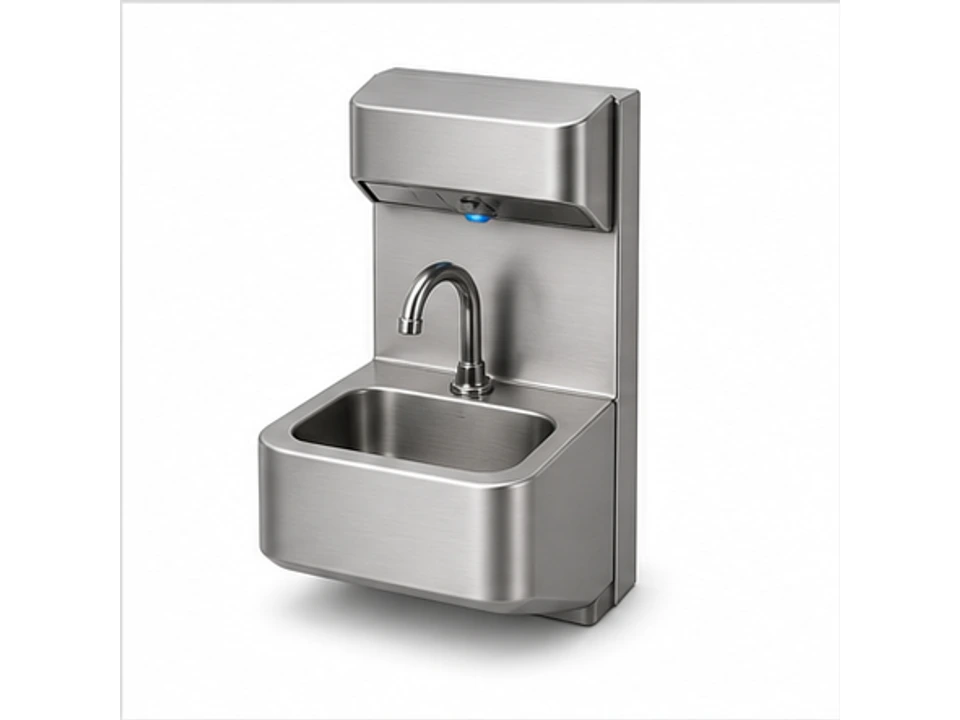
Clean Kitchen
Keep surfaces, equipment, and utensils clean and sanitized.
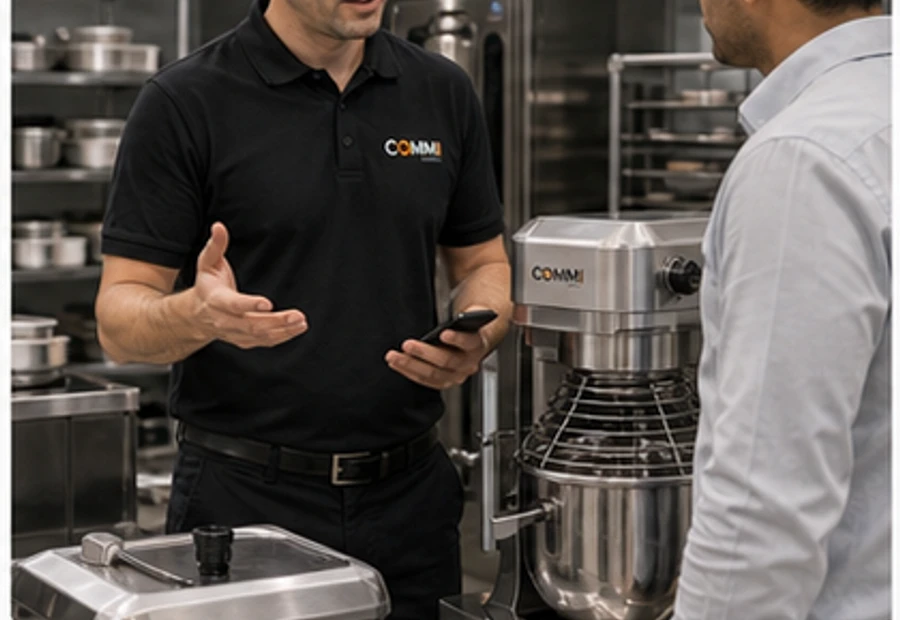
Safe Food Handling
Handle raw and cooked foods separately and correctly.
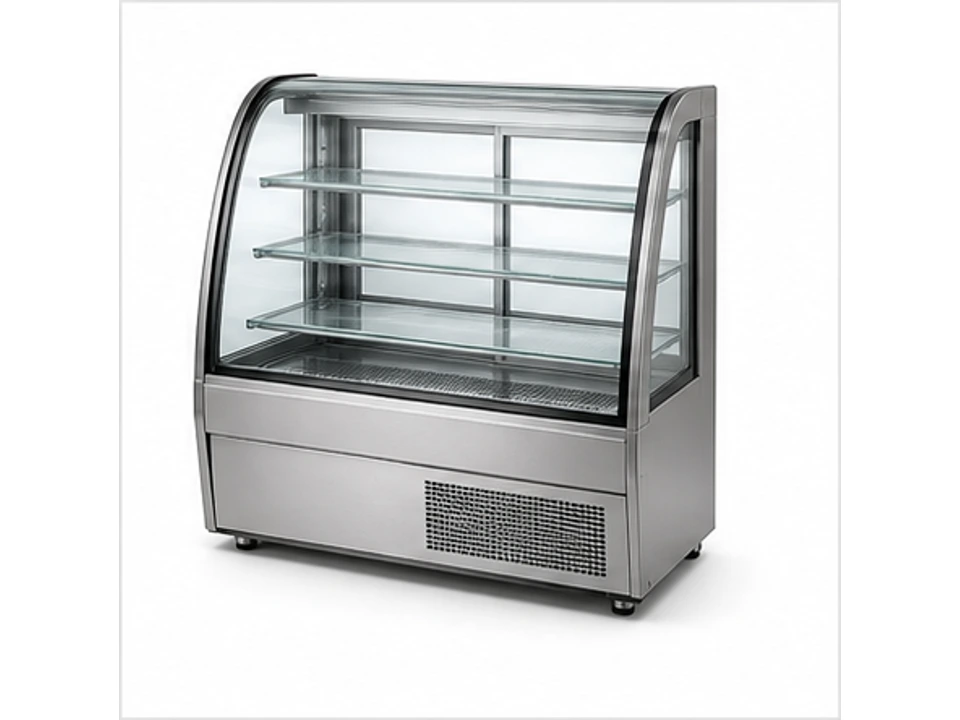
Proper Food Storage
Store food at the right temperature and follow FIFO principles.
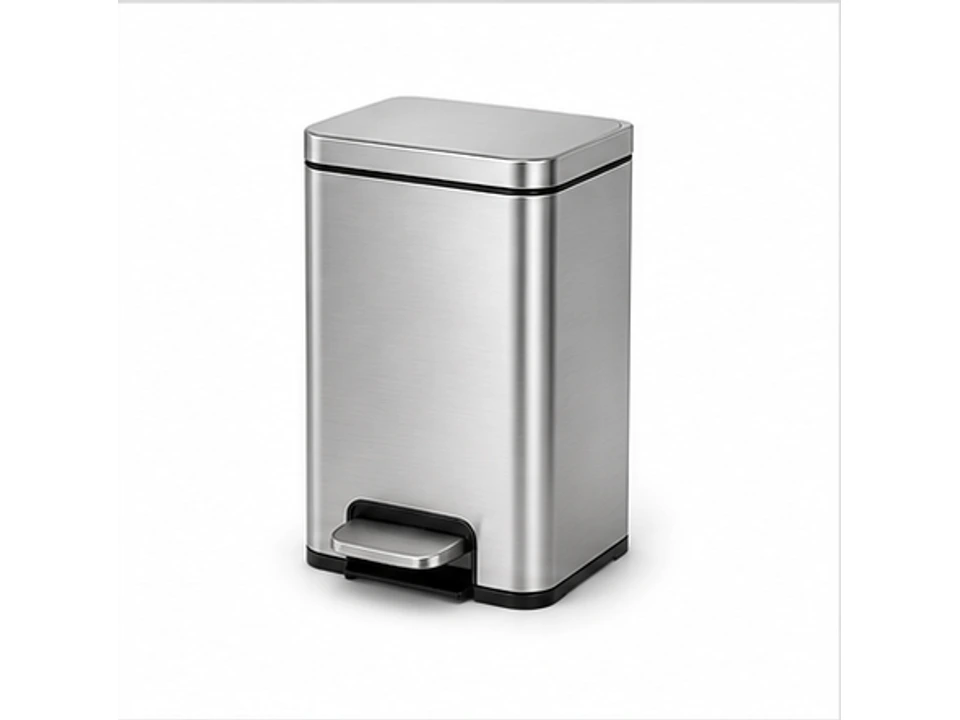
Waste Management
Dispose of waste safely and keep your kitchen clean and odor-free.
Food Safety Standards
HACCP Principles
Identify, evaluate, and control food safety hazards.
ISO 22000
International standard for food safety management.
GMP (Good Manufacturing Practices)
Ensure consistent production and hygiene control.
Allergen Management
Identify allergens and prevent cross-contact.
Temperature Control
Cook, hold, and store food at safe temperatures.
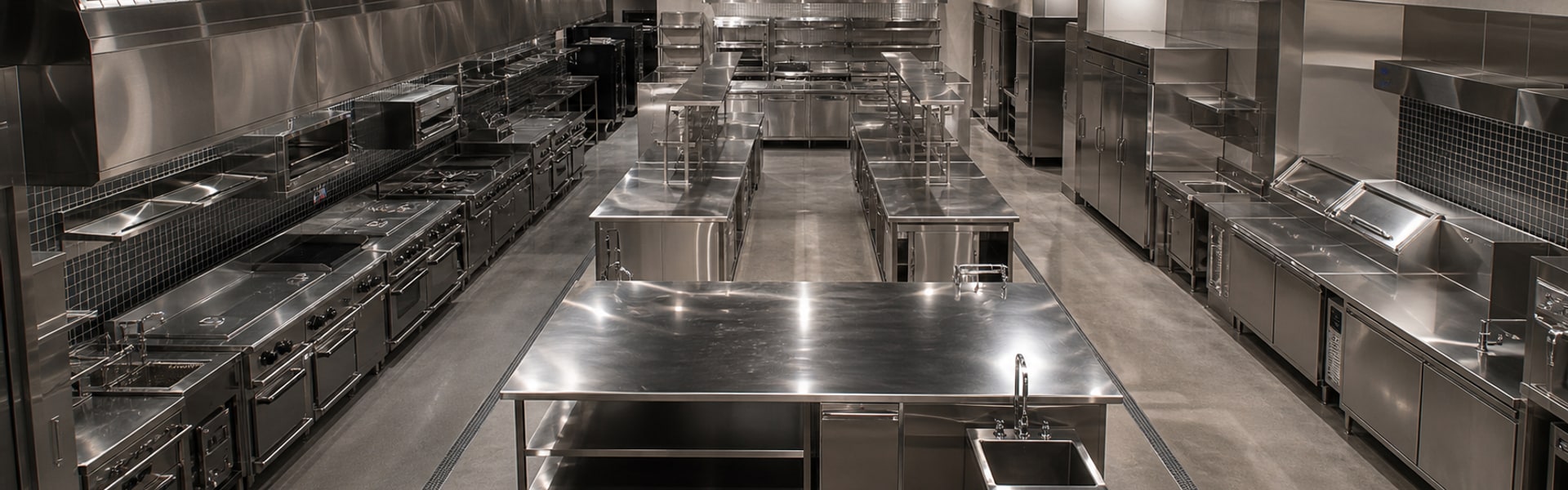
Need Help Implementing?
Training & Support for Your Team
We provide practical training, resources, and ongoing support to help your team stay informed and your business stay safe.
Staff Training
Custom Guides
On-Site Support
Continuous Improvement
What food safety looks like in day-to-day service
Temperature is the control that does the most work
Most foodborne bacteria multiply fastest between roughly 5C and 63C, the band commonly called the danger zone. Almost every practical rule in a commercial kitchen exists to move food through that band quickly or keep it out of it entirely: chilled storage below 5C, hot holding above 63C, rapid cooling of cooked batches, and probe checks at the points where food changes state.
The equipment decision that follows is about recovery rather than headline capacity. A refrigerator that holds temperature with the door shut but takes a long time to pull back down after a busy restock is the one that quietly puts stock into the danger zone during every service. The same logic applies to hot holding: a unit that cannot hold 63C once it is fully loaded is not holding at all.
Cleaning and sanitising are two different jobs
Cleaning removes visible soil and grease. Sanitising reduces the microorganisms left behind on an already clean surface. Doing the second without the first achieves very little, because residue shields bacteria from the sanitiser. This is why kitchen procedures specify an order rather than a product, and why equipment with smooth welds, coved corners and removable parts is easier to keep genuinely safe than equipment that merely looks stainless.
Separation is a layout problem before it is a training problem
Cross-contamination controls work best when the building makes the wrong action awkward. Colour-coded boards and tools help, but a layout where raw preparation and finished plating share a path will defeat good intentions on a busy night. Handwash points positioned at each transition, separate storage for raw proteins, and a clear dirty-to-clean direction through the wash-up area do more for compliance than any single piece of equipment. See our hygiene equipment and guide to kitchen equipment certifications.
FAQ
Frequently Asked Questions
What equipment does a commercial kitchen need to pass food safety inspections?
A compliant commercial kitchen needs dedicated handwash stations (knee- or sensor-operated), separate prep surfaces to prevent cross-contamination, NSF-certified food-contact equipment, proper cold storage holding below 5°C, and sanitising equipment. COMMI supplies NSF/CE-aware hygiene equipment including knee-operated handwash sinks and sterilising cabinets used in franchise kitchens across international markets.
What does NSF certified mean for kitchen equipment?
NSF certification means the equipment meets public-health standards for material safety, cleanability and design — no toxic materials, smooth cleanable surfaces and no bacteria-harbouring crevices. Health inspectors in many countries expect NSF or equivalent certification on food-contact equipment. COMMI's PESU food pans and station products are NSF certified.
How do commercial kitchens prevent cross-contamination?
The main controls are separation and flow: separate raw and cooked prep zones, colour-coded tools, dedicated wash areas, and a kitchen layout where dirty and clean paths never cross. Equipment choice matters too — sealed stainless surfaces, separate refrigeration for raw proteins, and handwash sinks placed at every workflow transition point.
Which food safety standards apply to restaurant equipment internationally?
The most common frameworks are HACCP (process control), NSF/ANSI standards (equipment safety), CE marking (European market), and local health codes. Export-focused manufacturers like COMMI build to NSF/CE-aware specifications so the same equipment can pass inspection in the Middle East, Europe, Asia and the Americas.